


Go back to Blog


Jennifer Edidiong
Marketing
7 min read
Share to
6 Holiday Fraud Trends African Businesses Must Watch Out For
The holiday season brings record-breaking sales and, at the same time, a sharp rise in fraud. Millions of shoppers across Africa are buying online, and fraudsters are working just as hard to exploit the surge in activity. During November and December, fraud attempts spike compared to the rest of the year, targeting busy platforms where security checks can be overlooked.
Fintechs, e-commerce platforms, and marketplaces are especially at risk. Higher transaction volumes and rushed purchases make it easier for scammers to steal credentials or manipulate payments.
This article guides you through six major fraud trends every digital business needs to watch this holiday season. By understanding these threats, you can protect your revenue and stay one step ahead of fraud in December 2025.
1. Fake Delivery Notification Scams
Holiday shopping creates a massive surge in legitimate deliveries, providing the perfect cover for scammers. Consumers are more distracted and eager to receive gifts, making them prime targets for urgent, seemingly legitimate messages from fake shipping carriers.
E-commerce platforms and online marketplaces risk account takeovers and fraudulent purchases when customer credentials are stolen. Fintech businesses can see unauthorized transactions if payment information is harvested. Across all platforms, scams like these can damage your reputation if customers associate fraud with your brand.
Red Flags to Watch
- Sudden spike in account takeover attempts
- Customers reporting suspicious emails claiming to be from your business
- Increased password reset requests
- Login attempts from unusual locations
2. Charity and Donation Scams
During the holiday season, your customers’ generosity can make them prime targets for fake charities and fraudulent fundraisers. Scammers create convincing websites, social media pages, and crowdfunding campaigns, often impersonating real organizations or inventing emotionally compelling causes to trick donors.
If you run a payment platform or fintech service, you could end up processing fraudulent donations and damaging your reputation. Fake campaigns can harm your credibility, and sellers claiming to donate proceeds might keep funds for themselves, leaving you to handle the fallout.
Red Flags to Watch
- New accounts immediately creating high-value campaigns
- Campaigns with stock photos or stolen content
- Sellers or organizations with no digital footprint or verification
- Payment patterns that suggest money laundering
3. AI-Powered Social Engineering Attacks

Fraudsters are now using sophisticated AI tools like voice cloning and deepfake videos to trick businesses and their customers. You might see “family emergency” calls asking for urgent gift card purchases, AI-generated videos of CEOs authorizing wire transfers, or chatbots pretending to be your customer service team to extract sensitive information. These attacks are becoming increasingly convincing and hard to spot.
During the holiday season, these scams spike because families are traveling and businesses often operate with limited crews. Your fintech or digital business could face authorized push payment fraud if customers are tricked into sending money, while your team could deal with internal fraud or phishing attempts through impersonated support channels.
Red Flags to Watch
- Unusual wire transfer or high-value transaction requests
- Customers reporting calls or videos from “executives” they can’t verify
- High-volume gift card purchases across multiple retailers
- Approval workflows being bypassed or ignored
4. Counterfeit Marketplace Sellers and Fake Storefronts
Holiday shopping surges make it easier for fraudulent sellers to target desperate shoppers. Scammers create fake storefronts on social commerce platforms or build websites that mimic legitimate brands. They list high-demand products, take payments, and either never ship the items or deliver counterfeit goods.
During the holiday season, shoppers are searching for sold-out items or high discount rates. Your marketplace or e-commerce business could face buyer disputes, reputational damage, and high chargeback ratios if these scams go unchecked. Fraudulent merchants might also slip through onboarding, creating further risks for your platform.
Red Flags to Watch
- New seller accounts with immediate high-volume listings
- Pricing significantly below market value
- Stock photos or images stolen from legitimate sites
- Sellers requesting off-platform payment methods
- Multiple buyer complaints about non-delivery
5. Travel and Booking Fraud
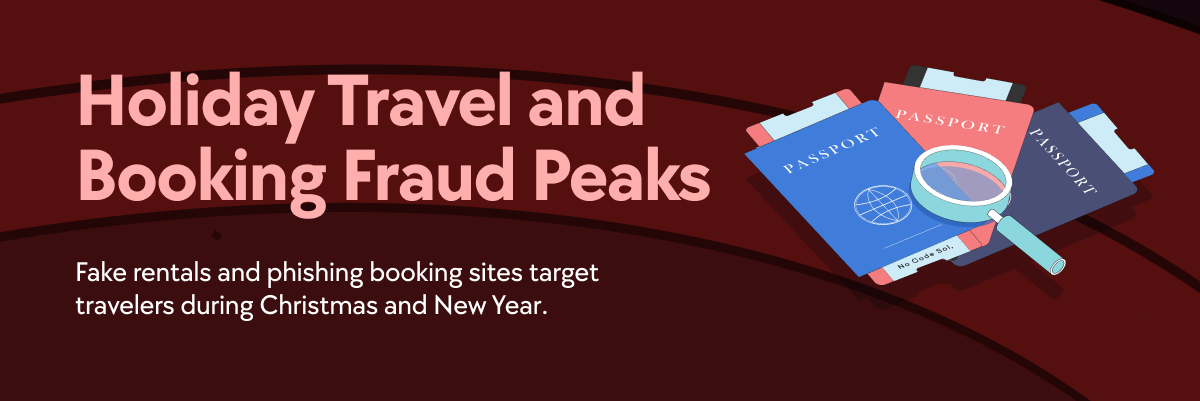
The holiday travel rush makes it easier for scammers to take advantage of eager travelers across Africa. Fraudsters create fake vacation rental listings on popular travel platforms and advertise non-existent hotels or holiday packages. In many cases, victims are redirected to phishing sites that closely mimic legitimate booking platforms.
During the Christmas and New Year travel season, urgency plays a major role. Limited availability pushes people to book quickly, often without thorough verification. Families planning group trips and last-minute travelers are especially vulnerable. If you run a travel platform, payment service, or fintech product, these scams can lead to guest disputes, large chargebacks, and wire transfer fraud for fake “reservation deposits.”
Red Flags to Watch
- Hosts or sellers requesting payment outside your platform
- New accounts listing premium properties with no reviews
- Prices that are unusually low or tied to vague “holiday discounts”
- Property addresses that don’t match listing photos
- Unverified identity documents or missing business registration
6. Return Fraud and Refund Abuse
Return fraud becomes harder to detect during the holiday season as return volumes increase and policies are more relaxed. Some customers engage in wardrobing, receipt fraud, empty box returns, or cross-retailer returns. In more severe cases, organized retail crime groups exploit extended holiday return policies at scale.
If you run an e-commerce platform, return fraud can lead to direct revenue loss and increased seller disputes. Fintech and payment platforms may also face refund processing costs and chargeback fraud. Over time, repeated abuse of lenient return policies can weaken trust in your platform.
Red Flags to Watch
- Same customer making multiple high-value returns
- Returns without original packaging or signs of use
- Mismatched serial numbers or swapped products
- Returns from accounts created during promotional periods
- Return requests submitted right at policy deadlines
Prevent Fraud and Stay Ahead this December with Dojah
The holiday season brings a surge in transactions across Africa, making fintech and e-commerce platforms prime targets for fraud. From fake deliveries to return abuse, scammers are getting smarter, and a reactive approach can cost your business money and customer trust.
With Dojah, you can stay ahead of fraud by:
- Identity Verification – Instantly confirm the real identity of your users to block fake accounts before they transact.
- Document and Biometric Verification – Authenticate government IDs and verify users with liveness checks to prevent impersonation.
- AML Screening – Spot high-risk users and entities, keeping your platform compliant and protected from money laundering.
- Transaction Monitoring – Track unusual or suspicious activity across your platform to prevent unauthorized payments and account takeovers.
Trusted by over 500 businesses and with more than 50 million identities verified, Dojah helps you validate users accurately, reduce fraud risk, and streamline onboarding across Africa.
Book a demo today to see how Dojah can help you stay ahead of fraud this holiday season.
Start using Dojah for all your business needs


